
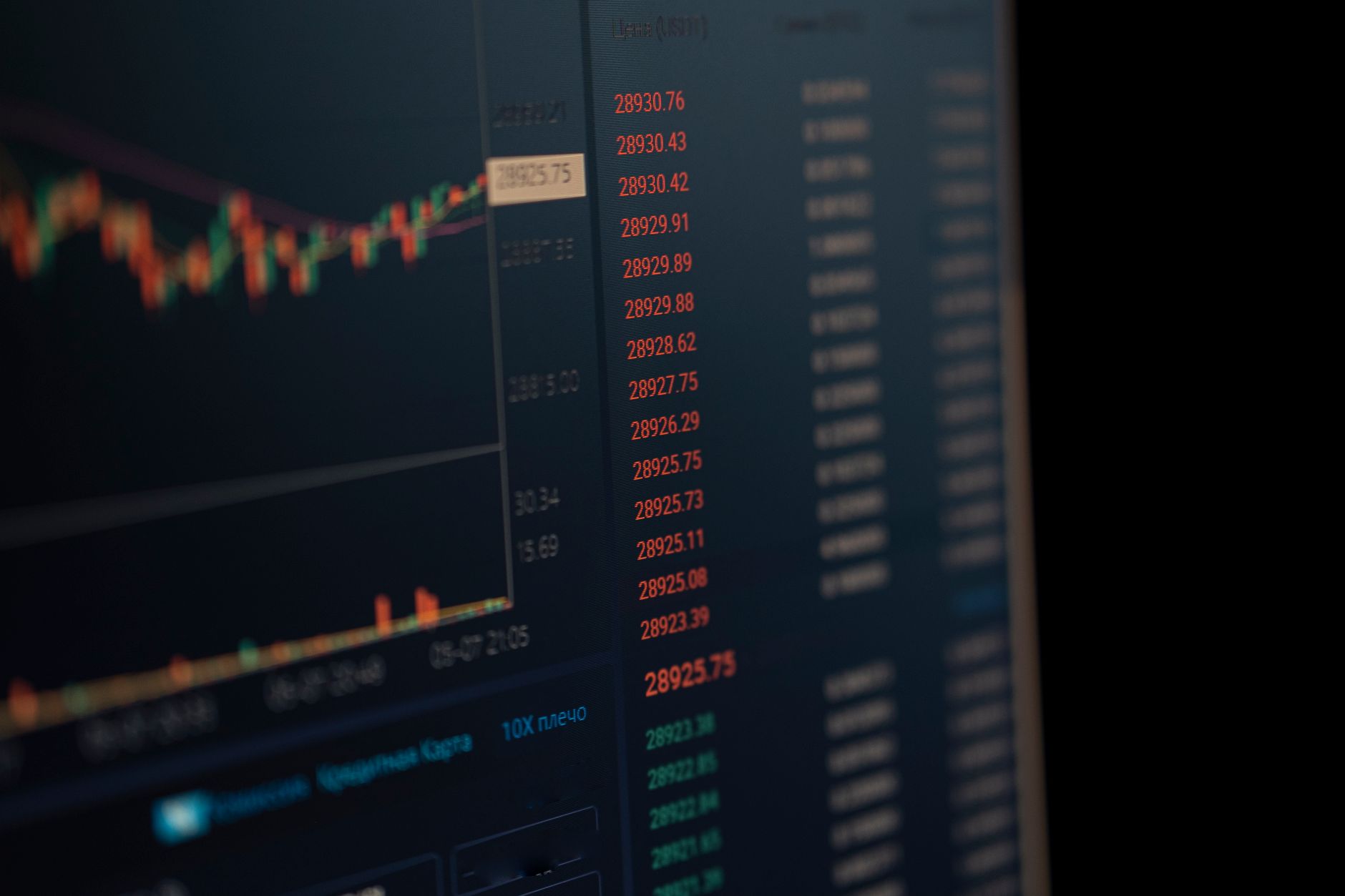
Crude prices spike amid renewed Middle East tensions as the U.S. and Iran exchange threats. Markets react with risk-off sentiment, Treasury yields rise, and energy stocks rally.
Oil Prices Jump as Geopolitical Tensions Escalate
Crude oil futures climbed 7% on Tuesday, with WTI crude rising $4.85 to $75.45 a barrel, after U.S. President Donald Trump warned of additional military strikes against Iran and declared the MOU (Memorandum of Understanding) between the two nations "dead." The escalation follows a series of retaliatory actions, including Iranian threats to target energy infrastructure in the Gulf and strikes on Bahrain and Kuwait.
Trump's remarks, made during a press conference in Ankara, included sharp criticism of Iranian leadership, calling them "scum" and "sick people," while signaling that negotiations would continue despite his skepticism. The comments come as the U.S. seeks to curb Iran's regional influence and stabilize global energy markets.
Market Reaction: Risk-Off Sentiment Dominates
The geopolitical flare-up triggered a broad risk-off response across financial markets. The S&P 500 index fell 0.9%, with sectors like software, travel, and homebuilders underperforming. Energy stocks, however, outperformed, buoyed by the oil rally. Treasury yields rose 5-8 basis points across the curve, reflecting investor demand for safe-haven assets amid uncertainty.
Technically, oil prices rebounded sharply from pre-war support levels, testing February highs before stabilizing. Analysts noted potential targets at $78.51 (38.2% retracement to June highs) and $82 (50% retracement), with a 50% retracement to the war-induced peak at $93 also in focus.
Implications for Traders and Investors
For Forex traders, the heightened geopolitical risk could strengthen the U.S. dollar as a safe-haven currency, potentially pressuring emerging market currencies and commodity-linked pairs. Central banks may face renewed pressure to adjust monetary policies if energy price volatility persists, though the Federal Reserve's stance remains data-dependent.
China's decision to permit refinery exports of finished products adds further support to crude demand, offsetting some supply concerns. However, Iran's threats to close the Strait of Hormuz—a critical chokepoint for global oil shipments—could amplify supply disruptions and price swings.
Traders are likely to monitor Trump's next moves closely, as well as any de-escalation signals from Iran or regional actors. The technical resilience of oil prices suggests near-term bullish momentum, but volatility remains elevated.
Risk Disclaimer: Trading in financial markets involves significant risk. Investors should assess their risk tolerance and consult financial advisors before making investment decisions.
Risk warning
Trading Forex and CFDs carries a high level of risk and may not be suitable for all investors. You may lose more than your initial investment. Past performance is not indicative of future results. This site is informational and does not constitute investment advice.