
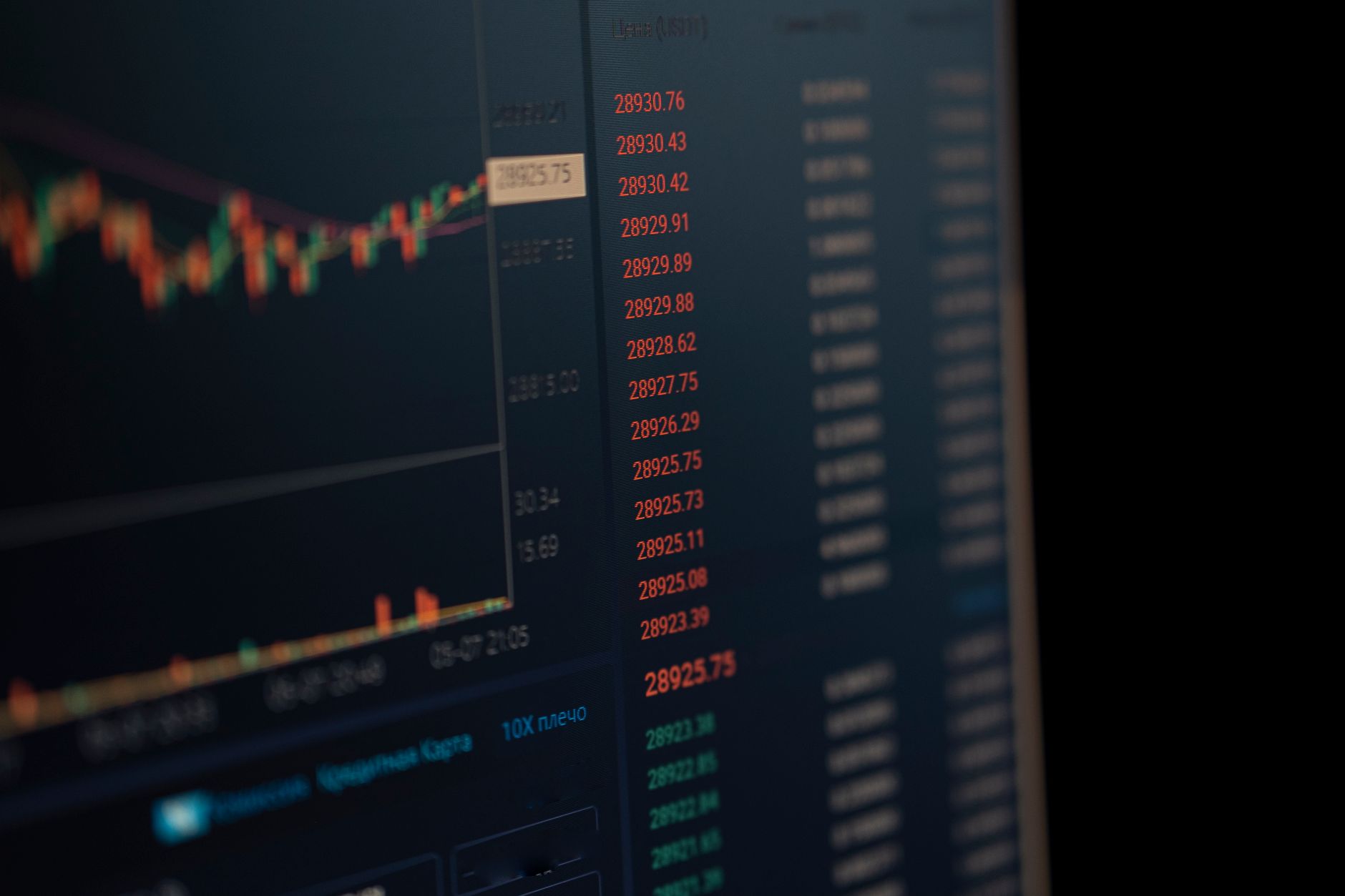
The Nasdaq remains rangebound amid Fed tightening concerns and geopolitical tensions. Upcoming US CPI data could shift market sentiment.
Market Overview
The Nasdaq Composite has traded within a narrow range since the latest Federal Open Market Committee (FOMC) decision, reflecting cautious investor sentiment amid persistent Fed tightening risks and overextended market positioning. The index faces dual pressure from domestic monetary policy uncertainty and escalating geopolitical tensions in the Middle East, which have reignited inflation concerns and reshaped interest rate expectations.
Geopolitical Risk and Rate Repricing
Escalating US-Iran tensions have added a premium to oil prices, stoking fears of renewed inflationary pressures. Recent military exchanges in the Strait of Hormuz prompted a hawkish repricing in rate markets, with July rate hike probabilities rising to 34% and year-end tightening expectations climbing by 38 basis points. However, swift diplomatic de-escalation efforts, including US President Trump's assertion that Iran sought negotiations, triggered a partial dovish correction and short-term market pullbacks.
Technical Outlook for Nasdaq
On the daily chart, the Nasdaq is confined between key support at 28,800 and resistance at 30,900. Buyers may find favorable risk-reward dynamics near support levels, targeting a potential retest of record highs. Conversely, a sustained break below support could open the door to further downside toward the 26,300 region.
The 4-hour timeframe shows a defined bearish trendline, with sellers likely to maintain pressure unless bulls reclaim the trendline resistance. Meanwhile, the 1-hour chart reveals a minor upward trendline, suggesting intraday traders may position for a pullback toward the major downward trendline, with risk managed below the hourly support.
Key Catalysts Ahead
Today's US Jobless Claims data will offer early clues on labor market resilience ahead of the pivotal US Consumer Price Index (CPI) release. A stronger-than-expected CPI print could reignite hawkish bets and pressure equity markets, while softer figures may fuel dovish repricing and support risk assets. Forex traders should monitor dollar-yen and euro-dollar pairs for spillover effects from shifting rate expectations.
Risk Sentiment and Trading Implications
Market volatility remains elevated as investors balance Fed policy signals against geopolitical risks. The dollar index (DXY) could face renewed pressure if US inflation data disappoints, while safe-haven flows may support the yen and Swiss franc. Traders are advised to maintain tight risk controls amid the interplay of macro and technical factors.
Disclaimer: This analysis is for informational purposes only and does not constitute investment advice. Trading involves significant risk of loss.
Risk warning
Trading Forex and CFDs carries a high level of risk and may not be suitable for all investors. You may lose more than your initial investment. Past performance is not indicative of future results. This site is informational and does not constitute investment advice.